
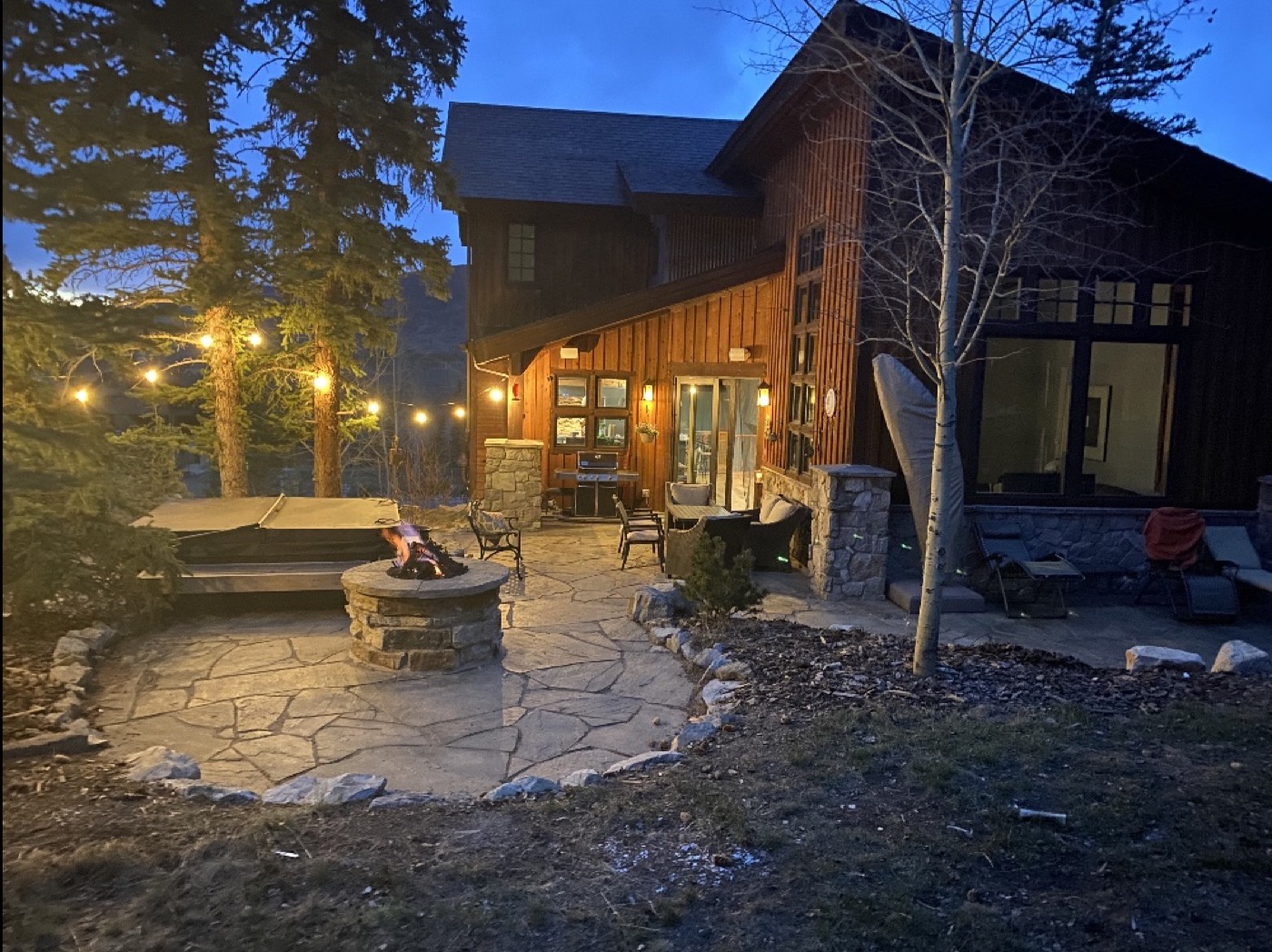
The single most persuasive thing a contractor can show a homeowner is proof of their own work. Not testimonials. Not a nice logo. Actual photos of what was there before and what it looks like after. Done right, a before-and-after set sells the job for you before you ever open your mouth on the estimate call.
Your photos are your number one sales asset
Ads cost money. Word of mouth takes time. But photos of your finished work? Those are yours forever, and they pay off every time you post one, put one on your website, or drop one in a proposal. A homeowner scrolling Instagram or looking at your site does not read paragraphs. They look at pictures. If what they see is sharp, clean, and shows a clear transformation, you have their attention. That is the moment the sale starts.
This is doubly true for visual trades like remodeling, painting, concrete coatings, landscaping, and decking. Your portfolio is your pitch. Most contractors leave this on the table because they forget to shoot the before, or they grab one blurry photo when the job is done. A little discipline here has a big payoff.
Shoot the before every time. No exceptions.
Here is the mistake almost every contractor makes at least once: they forget the before shot. They do a great job, they are proud of the result, they pull out their phone to document it, and then they realize they have nothing to compare it to. The transformation is invisible without the before.
Make it a rule for every crew member and every job. Before any work starts, shoot the space. Set a phone reminder or put it on your job checklist. It takes thirty seconds and it is the foundation of every great before-and-after you will ever use. The after shot means nothing without it.
Same angle, same lighting, same framing
The before and after photos need to look like they were taken from the same spot. Stand in the same place. Use the same height. Shoot with the same lens. If you took the before from the doorway at chest height, take the after from the exact same spot. When the angle matches, the transformation pops. When it does not match, the eye has to work too hard and the impact is cut in half.
Natural light is your friend. Shoot in the morning or when the sun is not blasting directly in. Turn on all the interior lights so the space is bright and even. Avoid harsh shadows. A bright, evenly lit photo always looks better than a dark or blown-out one, even on a phone camera.
Clean and stage the space first
Before you shoot the after, do a quick clean. Pick up tools, cords, and packaging. Sweep the floor. Move staging materials and extra materials out of the frame. If it is an interior space, wipe surfaces down so they catch the light. If it is exterior, move the trucks and equipment out of the shot so the house is the focus.
This takes ten extra minutes and makes your photos look professional. A great result with trash in the corner looks sloppy. The same great result in a clean, staged space looks like a portfolio photo from a high-end firm. One extra pass before you shoot is always worth it.
Wide shot first, then go close
Start with one wide shot that shows the whole space or the whole exterior. That is your hero image. It gives context and shows the full scope of the work. Then move in for detail shots: the grain of the countertop, the perfect trim line on the paint, the texture of the new concrete, the clean flashing on the roof. Detail shots show craftsmanship. Both matter.
Three to five photos per job is a solid set: one wide before, one wide after, and two to three detail shots of the after. That is enough to use in social posts, in ads, on your website gallery, and in proposals. Keep them in a folder organized by job type so you can pull them fast when you need them.
100K+ social views
A remodeling contractor got over 100,000 social views in the first days after we built a content system around their job photos and walkthroughs. The work was already done. It just needed to be shown the right way.
Residential remodeler
A short walkthrough video beats a single photo
If you only do one extra thing after reading this, make it this: shoot a thirty-second walkthrough video at the end of every job. Pan the space slowly. Start at one end and move to the other. Show the details you are proud of. Talk over it if you are comfortable, or just let the work speak.
Video outperforms static photos on nearly every platform. Instagram Reels, Facebook, TikTok, and YouTube Shorts all push video harder than images. A short, steady walkthrough of a great job gets seen by far more people than a photo of the same job. You do not need to edit it. A steady hand and good lighting is enough. Post it and let the algorithm do its job. For more on how we build a content system around your job footage, see our Social Content service page.
Always get the homeowner's permission
Before you post anything publicly, get a quick yes from the homeowner. Most are happy to say yes, especially if you ask while they are excited about the finished result. A simple "Hey, would it be okay if we shared some photos of this project on our social media and website?" is all it takes. For jobs where you show the interior of someone's home, written permission is worth having. You can make it part of your job wrap-up paperwork.
This also opens a conversation. When a homeowner sees you care about your portfolio, they are more likely to leave a Google review, refer you to their neighbor, and talk about you at a neighborhood event. Good habits compound.
$50K → $140K / mo
A residential contractor nearly tripled monthly revenue after we built a full marketing system around their job content. Photos and video of finished work were the fuel that made every channel perform.
Residential remodeler
Use the photos everywhere
Once you have a good set, put them to work in every place a potential customer might find you. Here is the short list:
- Google Business Profile: upload new job photos regularly. Profiles with recent photos get more clicks and calls.
- Your website: a real portfolio gallery of your actual work converts better than stock photos. See what a contractor website built to book jobs looks like.
- Social media: post the before-and-after as a side-by-side or a before-then-after Reel. Consistent posting builds an audience that calls you when they are ready.
- Ads: your best before-and-afters make great Meta ad creative. Real results stop the scroll better than anything a designer makes from scratch.
- Proposals and estimates: drop your portfolio photos into your estimate packets. It reminds the homeowner what they are paying for and sets you apart from competitors who show up with nothing.
Your phone camera is plenty
You do not need a DSLR. You do not need a drone (though if you do roofing or landscaping, a drone shot of an after is spectacular). The camera in any recent smartphone shoots in quality more than good enough for social media, ads, and websites. Clean lens, good light, steady hand, same angle as the before. That is the whole formula.
The goal is not art. The goal is clear, honest proof that you do great work. Homeowners are not looking for magazine photos. They are looking for confidence that the job will look good when you are done. Show them that, consistently, and you will close more estimates without saying an extra word.
Want more plain-English guides written for contractor owners? Head back to the blog. We also talk through content systems and field tactics on the Construction Cash Podcast.