
We hear it a few times a year: "I get most of my work from referrals. Do I really need a website?" Short answer: yes. And the reason goes deeper than just having a place on the internet. A website is the only piece of your online presence that you actually own and control. Everything else is rented space on someone else's platform.
Every other channel points somewhere. Where does yours point?
Think about everything that sends a homeowner toward you. Your Google Business Profile. Your Facebook page. An Instagram post. A Google Ad. A referral from a happy customer who tells a neighbor. Every single one of those sends the homeowner to look you up. They will Google your name. They will check your website. They will decide in about thirty seconds whether you look like a real, trustworthy company or not.
If you have no website, or you have a bad one from five years ago, that moment ends badly. The homeowner moves on to the next contractor who looks professional. The referral does not convert. The ad click bounces. You paid for the lead but did not get the job.
A website is not just a brochure. It is the place where all your other marketing lands. When it is strong, every other channel you run gets better results. When it is missing, every other channel underperforms.
Homeowners Google you even after a referral
Here is something that surprises a lot of contractors. Even when someone refers you by name, the homeowner will still look you up before they call. They want to see that you are real. They want to see your past work. They want to read your reviews. They want to see that you have a professional presence.
If your website looks like it was made in 2011, or you have no website at all, the homeowner's confidence drops. They may still call, but they walk into that conversation with doubt. A clean, fast, well-written site that shows real project photos and real reviews removes that doubt before you ever pick up the phone. You start every conversation from a position of trust.
That matters even more for bigger jobs. A homeowner looking to spend $30,000 on a kitchen remodel or $80,000 on a new roof is doing research. They are comparing you to two or three other companies. If your competitors have professional sites and you do not, you lose before the estimate happens.
$40K in new estimates, first 30 days
A contractor with a rebuilt site and a dialed-in lead system generated $40,000 in new estimates within the first month. The site was the foundation everything else ran on.
Residential contractor
You do not own your social following
A lot of contractors lean on Facebook or Instagram as their main online presence. It makes sense. It is free, it is easy, and it is where homeowners spend time. But here is the problem: you do not own that audience. The platform does.
Facebook can change its algorithm tomorrow and your posts stop showing up. Instagram can decide your content violates a policy and shut your account down. A platform can go out of style, like what happened with Facebook for a younger demographic. Any of these can happen and there is nothing you can do about it. You built your audience on land you do not own.
Your website is different. You own it. Nobody can take it away from you. Your domain, your content, your reviews, your photos, your contact form. That is yours. Social media should support your website, not replace it. Post on social to get attention, then drive people back to a site you control where you close the lead.
A website can rank on Google and bring free leads
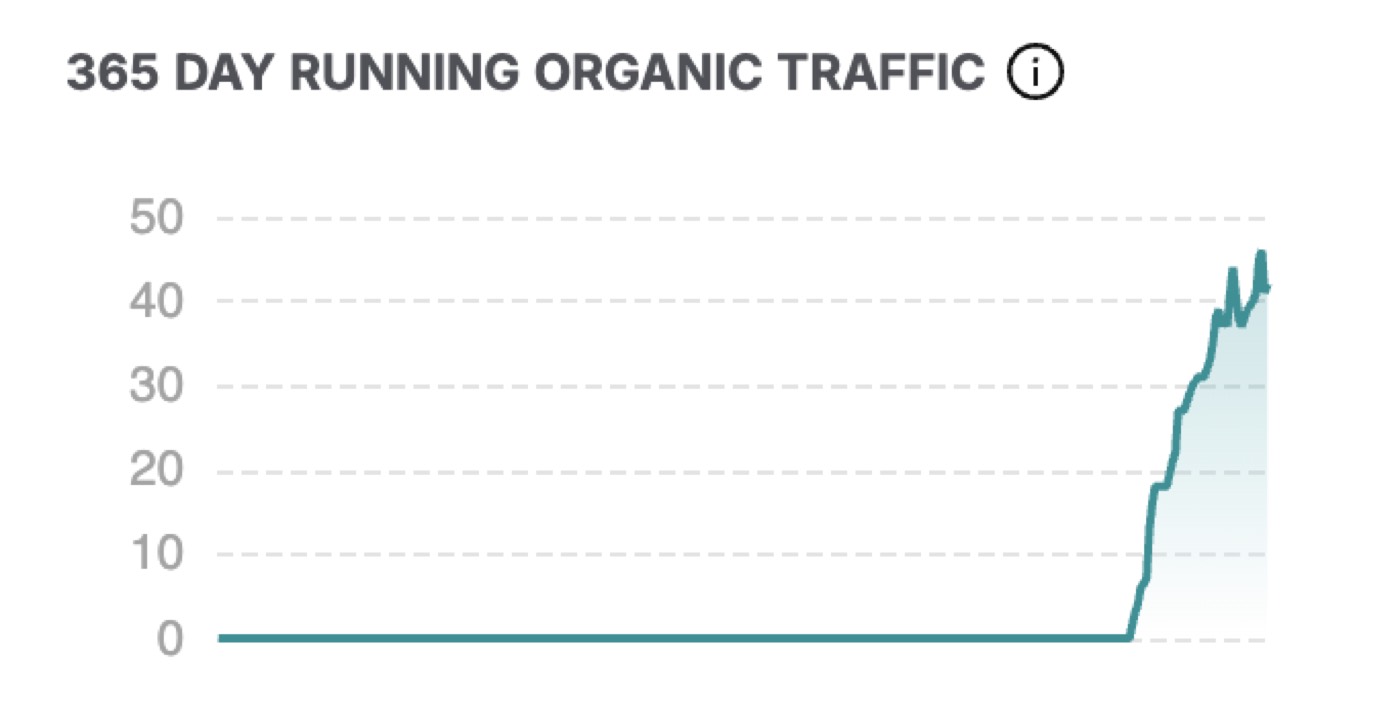
Here is a benefit that social pages cannot give you: your website can show up in Google search results for jobs you want. When a homeowner searches "deck builder in [your city]" or "kitchen remodel contractor near me," Google shows a list of websites. If yours is there, you get free traffic every month without paying for ads. That is SEO, and it compounds over time.
A Facebook page rarely ranks for those searches. A Google Business Profile helps, but it is limited to the map pack and does not capture every type of search. A real website, built and written correctly, can rank for dozens of different searches in your area. That means leads coming in every month without writing a check for each one.
Learn more about how we help contractors rank on our SEO page. We also cover this topic on the Construction Cash podcast if you want to go deeper.
Your site is where you control the story
Google reviews are great. But on Google, you do not control what shows up first. On your own website, you decide everything. You decide which projects to highlight. You decide which reviews to feature. You decide what your process looks like, what your guarantee is, and what makes you different from every other contractor in your market.
That control is worth a lot. A homeowner scrolling your site is seeing exactly what you want them to see. You can build trust systematically: show the before-and-after that makes them say "wow," then show the five-star reviews, then explain your simple process, then make it easy to book. That flow converts visitors into leads better than anything else.
Without a website, you are hoping a homeowner pieces together a good impression from your Google profile, your social page, and whatever they find in a search. That is not a system. It is luck.
$50K → $140K / mo
A residential contractor nearly tripled monthly revenue after we rebuilt their online presence with a real site at the center of the system. The site became the anchor that made every other channel work harder.
Residential remodeler
Even one strong page beats nothing
You do not need a 20-page website with a blog and a resources section. For most contractors, one fast, mobile-friendly, well-written page with your best photos, your reviews, your services, and a clear way to contact you will beat having nothing by a wide margin.
The bar is not perfection. The bar is: does this look professional, does it load fast on a phone, does it show my work, and does it make it easy to reach me? If yes, you are ahead of a lot of competitors who are still relying on a Facebook page from 2019.
Once that foundation is in place, you can grow it. Add more pages for specific services. Add location pages if you work in multiple cities. Add a blog to pull in more search traffic. But start with one page that does the job. That is enough to make a real difference right now.
The bottom line
Yes. Contractors need a website in 2026. Not because it is trendy, but because it is the one piece of your marketing that you own, that works for you around the clock, and that every other channel depends on. Without it, you are leaving money on the table every single time a homeowner searches for what you do.
Read more about how we build contractor websites that actually book jobs: our Websites service and the follow-up guide what makes a contractor website that books jobs. Or head back to the blog for more plain-English guides.