
Ask any contractor owner where their best jobs come from and almost every one of them says the same thing: referrals. The referred customer already trusts you before they call. They haggle less on price. They close faster. They are more likely to leave a review and refer someone else in turn. Referrals are the highest-quality lead in the business. And yet most owners have no system for generating them. They just hope happy customers tell their friends. Sometimes they do. Most of the time, they do not, not because they are unhappy, but because nobody ever asked.
Why referrals dry up even when the work is great
The problem is not the quality of your work. You do a great job. The customer is happy. They walk away with every intention of telling their neighbors. Then life happens. They forget. Three months later a neighbor asks about a contractor and your name does not come to mind because nobody prompted it. You lost a referral that was already yours to have, just because you did not make the ask.
The fix is not complicated. It is just intentional. You have to build the ask into your process so it happens at the right moment, every time, automatically. Not as a pressure tactic. Not as a beg. As a natural, comfortable part of wrapping up a job done well.
Ask at the peak-happy moment
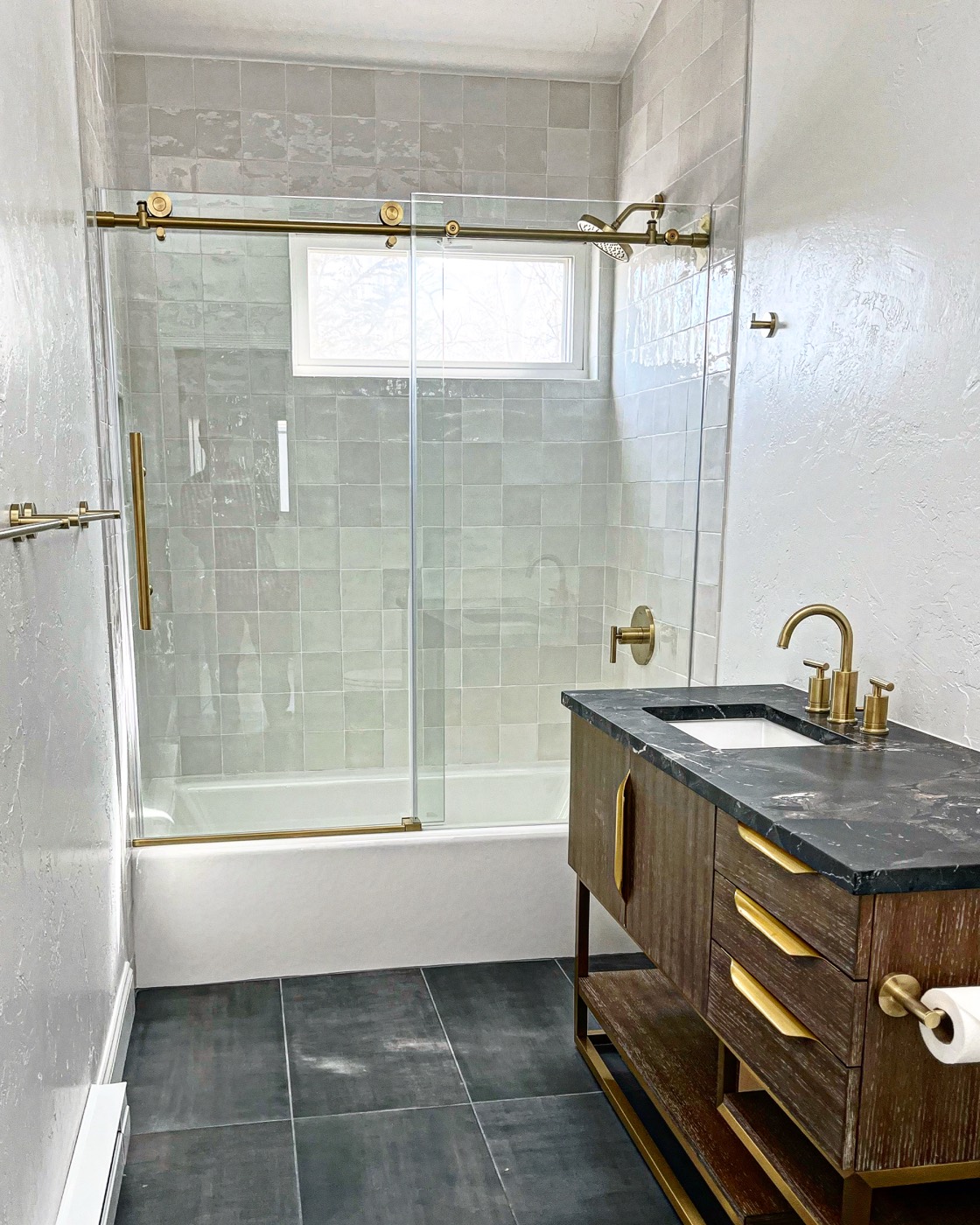
Timing is everything. The best moment to ask for a referral is when the customer is at peak happiness. That is almost always the moment the job is finished and they are standing in front of the result for the first time. The bathroom they have wanted to redo for three years is done. The new roof is on. The deck is built. They are excited. They are grateful. They are not thinking about the dust or the schedule delays. They are seeing the finished product.
That is your window. Walk the job with them, confirm they are happy, and then ask simply and directly: "We really appreciate you trusting us with your home. If you know anyone else thinking about a project like this, we would love the introduction." That is it. Natural, warm, and not pushy at all. Most customers will say yes on the spot if the work was good, because you just gave them permission to talk about something they are already proud of.
The worst time to ask is before the job is done, when something went sideways, or three weeks later over text when the moment has cooled. Strike while it is hot.
Make it as easy as possible to refer you
Happy customers want to help. What stops them is not willingness, it is friction. If they have to remember your company name, find your website, dig up a phone number, and compose a message from scratch, most of them will not do it. Remove every obstacle you can.
The simplest method: give them a direct link. A text or email right after the job walks with something like "Here is our website if you ever want to send someone our way" drops a clickable link into their phone. When their neighbor asks about a contractor, they forward the link. Done. No memory required.
You can also give them a card or a leave-behind at the job site. A clean business card with your website on it is still useful in 2026. Leave two or three at the house. People share them. Some owners print a small referral card with a specific note: "Referred by a happy customer." It signals trust before the new person even calls you.
$40K in new estimates, 30 days
A contractor generated $40,000 in new estimates within the first 30 days of dialing in their lead follow-up system. Referrals from past customers were a key part of the mix that fed that pipeline.
Residential contractor
Systematize it so it happens every time
The reason most contractors only get occasional referrals is that they rely on memory. They remember to ask on some jobs and forget on others. The owners who generate referrals consistently treat it like a checklist item on every project close-out.
Build the ask into your process at two moments. First, at the final walk-through in person, as described above. Second, in a follow-up text or email you send 48 to 72 hours later, when the customer has had time to settle into the result and show it off to a few people. That follow-up might say: "It was great working with you on this project. If you have any friends or family who need something similar, we would love the chance to help them too. Here is our website to share."
If you use a CRM or any kind of project management tool, tag every completed job as "referral ask sent" so you can see at a glance that the step happened. If you have office staff, make the follow-up their job so it does not depend on you remembering to do it while you are running a job site.
Ask for a Google review in the same breath
A referral tells one person. A Google review tells everyone who searches for you. Ask for both at the same time and you multiply the return on every happy customer. The language is simple: "If you have a minute, we would really appreciate a Google review too. Here is a direct link." Put that link in your follow-up text.
Reviews and referrals reinforce each other. When someone gets referred to you, the first thing they do is search your name and read your reviews. Strong reviews validate the referral. They make the referred person more likely to call and more likely to book without negotiating on price. For more on that strategy, see our guide on how to get more Google reviews.
Thank and reward your referrers
When a customer sends you a referral and it turns into a job, acknowledge it. A handwritten thank-you note is memorable because almost nobody sends them anymore. A gift card to a local restaurant is even better. Some contractors run a simple referral program: anyone who sends a customer gets a thank-you gift of meaningful but reasonable value when the job closes.
You do not need a formal loyalty program. You just need to close the loop. When someone does something kind for your business, notice it and say thank you in a way they remember. That thank-you plants the seed for the next referral. It tells them the loop works, that their effort was noticed, and that it is worth doing again.
Build referral relationships with other trades
Your best referral sources are not always homeowners. They are other trades. A plumber you know is on a job site every week. When a homeowner mentions they need a new bathroom or a roof, a plumber who trusts you will send that lead your way. And you do the same for them.
Think about which trades are naturally adjacent to your work. If you are a remodeler, you want relationships with HVAC companies, electricians, and flooring installers. If you are a roofer, you want to know restoration companies and gutter installers. These are not competitors. They are a referral network, and building it costs nothing but a few conversations.
Reach out to two or three complementary contractors in your area and suggest a mutual referral arrangement. When a customer of theirs needs your service, they send them to you. When one of your customers needs their service, you send them over. Simple, effective, and zero ad spend.
One important reality check
Referrals alone will not scale a contractor to the next level. They are unpredictable, seasonal, and capped by your existing customer base. They are the best lead you can get, but they are not enough on their own to grow from $1M to $3M or beyond. For the full picture on that, see our post on why referrals alone will not scale. The short version: you need a system that generates new customers outside your existing network, paid ads or SEO, running alongside your referral engine. Both together is what compounds.
Want more like this? Head back to the blog for plain-English guides written for contractor owners, or listen to the Construction Cash podcast.