
Most contractors who dismiss blogging tried it wrong. They wrote two generic posts about "tips for hiring a contractor," got no traffic, and gave up. That is not a fair test. When it is done with purpose, a well-built content library on your site can bring in leads for years without paying another cent for clicks. But there are cases where it is genuinely not the right investment yet. Here is how to tell the difference.
Content's real job is not to go viral
The idea that blogs are for getting shares and going viral is a holdover from a different era. For a contractor, content has one job: show up when a homeowner is searching for answers, earn their trust before anyone else does, and make them reach out to you when they are ready to hire.
A homeowner planning a bathroom remodel will search "how long does a bathroom remodel take" and "what to ask a remodeling contractor" before they ever search for a contractor name. If your site answers those questions well, you are already in their head as an authority before the competition even knows they exist. That is the compounding power of content. You do the work once and it earns attention for years.
Search engines and AI tools both pull answers from pages that address questions clearly and specifically. A page that genuinely helps a homeowner understand what they need to know also tends to rank. These goals align perfectly for a contractor who understands their customer.
Cost guides and comparisons attract high-intent searchers
The best-performing content for home service contractors is not fluffy advice. It is direct answers to the questions buyers are already typing into Google. Cost guides and comparison pages are at the top of that list.
A page titled "How much does a deck cost in [your city]" will attract a homeowner who is actively planning to build a deck. They are not browsing. They have a project in mind and they need a number to work with. A page that gives them a clear, honest answer, explains what drives cost up and down, and then offers a free estimate at the end will convert a meaningful share of those readers into leads.
Comparison pages work for the same reason. "Composite vs wood deck: which is better?" or "Asphalt vs metal roof: pros, cons, and cost" attracts buyers in the research phase who are almost ready to make a decision. You educate them, they associate that expertise with your name, and they remember you when they are ready to call.
Head to our SEO page to see how we build this kind of content strategy for contractors. It is not just about writing. It is about targeting the right search terms and building a library that covers the buyer's full research journey.
Content compounds: one good page generates leads for years
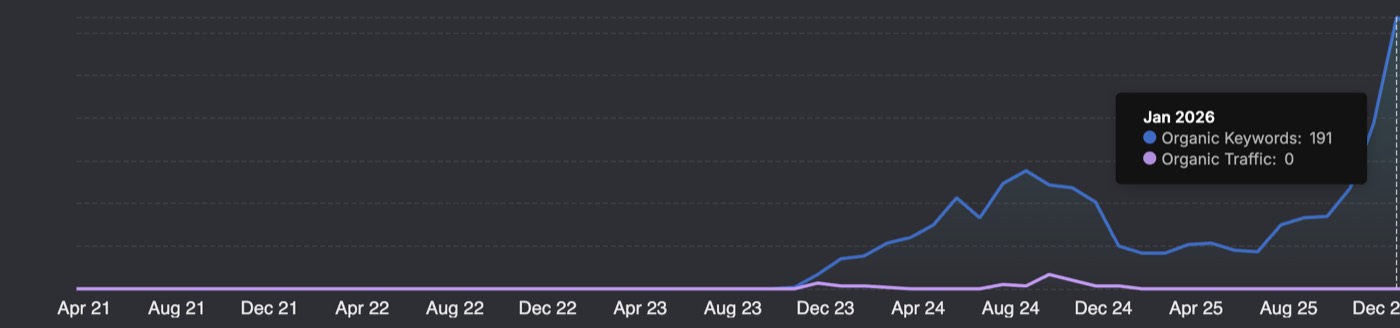
This is the part that surprises most contractors when they first see it in action. An ad stops the moment you stop paying. A ranked page keeps bringing traffic every month with no ongoing cost per click. A well-written cost guide from three years ago can still rank in the top results today and generate leads every single week.
The compounding effect is also cumulative. Ten useful pages pull in traffic from ten different angles. Fifty pages build real domain authority and help all the other pages rank higher. The contractors who started building content two or three years ago now have a serious organic lead engine that is almost impossible for a newcomer to catch up to quickly. The best time to start was two years ago. The second best time is now.
There is also an AI angle here that is growing fast. Tools like ChatGPT and Google's AI overview answers are increasingly pulling from well-written web pages when homeowners ask questions. If your content is thorough and clear, it has a chance to be cited in those answers. That is a new distribution channel that did not exist a few years ago and it rewards the same kind of quality content that already ranks in traditional search.
$2.5M → $6M+ / yr
A construction company more than doubled revenue after we built out their full digital presence, including a content strategy that kept attracting the right searchers. Organic leads do not stop when the ad budget runs out.
Construction company
Quality and intent beat volume every time
Fifty thin blog posts with generic titles and recycled advice will not move the needle. They might even hurt you if Google reads them as low-quality filler. Ten pages that genuinely answer real buyer questions in detail, with specific local examples, real photos, and clear expertise behind them, will outperform the fifty every time.
The standard to aim for is simple. Would a homeowner share this page with a neighbor who is planning the same project? Would it actually help them make a better decision? If yes, it is the kind of content that builds rankings and trust. If it is just filler to hit a word count, skip it entirely.
The pages worth building cover the questions buyers ask before they hire. What does it cost? How long does it take? What should I look for in a contractor for this kind of project? What can go wrong and how do you avoid it? What does the process look like from start to finish? Answer these honestly and well and you will earn both the ranking and the call.
If your site is struggling to rank at all, the issue might be more foundational than content. Read our guide on why your website is not ranking for the technical side of the picture.
When to skip blogging for now
There are real cases where content is not the right first move. If you are running a new business and need cash this month, content takes too long to generate results. You need Google Ads or direct outreach first. Get revenue stable, then invest in the long game.
If you already have faster channels producing more leads than you can handle, there is no urgent reason to add content to the mix. Max the channels that are working before you open a new one. For most contractors, that means getting ads and their Google Business Profile dialed in first, then building the organic layer.
Content is also easy to do badly, and bad content wastes more than time. If you are going to do it, do it right. That means real answers, local specifics, and pages built to rank for something people are actually searching for. Not generic filler, not keyword stuffing, not outsourcing to the cheapest possible vendor.
Want to hear how other contractors are thinking about this? The Construction Cash podcast covers real owner decisions across marketing channels, including when they went all-in on content and what happened.
$200K in new estimates
Generated for a single client after rebuilding their online presence to attract and pre-qualify the right homeowners. Content was part of a full system, not a standalone play.
Home services contractor
The bottom line
Blogging is worth it for most established contractors, but only when it is done with a clear goal: answer the questions buyers are actually asking, target the search terms those buyers use, and build a library that pays for itself over years. Skip the fluff. Focus on the ten pages that will each rank for something real. That is the version that works.
More guides like this live at the blog. Browse by topic and take what is useful.