
A contractor calls us and says their cost per lead is out of control. The first thing we ask is: out of control compared to what? Most owners are watching the wrong number. But when you fix what is actually broken, cost per lead drops, and the leads that come in are worth more. Here is how to think through it.
Cost per lead is downstream of three things: not your bid
Most contractors try to fix a high cost per lead by lowering their bids or tightening their ad budget. That usually makes things worse. Your cost per lead is produced by three things: who sees your ad (targeting), what reason they have to click (offer), and what happens when they land on your site (landing page fit). Your bid is a multiplier on top of those three. Fix the foundation first.
Bad targeting is the most common culprit. If you are running Google Ads with broad keywords and no location or demographic filters, you are paying for clicks from people who are not your customer. A homeowner in a zip code 40 miles out, someone researching prices with no intent to buy, a renter with no property. Every one of those clicks costs you money and produces no job.
A weak offer is the second most common problem. If your landing page says "contact us for a free estimate," you look like every other contractor in your market. Nothing pulls the click. Nothing separates you. A sharp offer, a warranty, a specific turnaround, financing, a real customer result, gives someone a reason to choose you before they even talk to you.
Negative keywords and budget filters cut wasted spend fast
If you run Google Ads and have not built a solid negative keyword list, you are almost certainly paying for searches that will never book a job. Common ones for contractors: "DIY," "how to," "cost to," "permit requirements," "school project," "vs," and research-intent queries. None of those people want to hire you right now. Block them and your cost per actual lead drops without touching your bid.
Location radius, income targeting, and time-of-day scheduling are budget filters that most contractors never use. Running ads at 2 AM when nobody calls back is waste. Running ads in zip codes where homes are valued below your job minimums is waste. These filters cost nothing to add and they compound fast. A leaner, more targeted campaign almost always outperforms a broad one at the same spend level.
$2.5M → $6M+ / yr
A construction company more than doubled annual revenue after we rebuilt their targeting, tightened their ad spend, and rebuilt the landing pages their traffic was landing on.
General contractor
Owned channels lower your blended cost per lead over time
Paid ads are fast but they cost every time. Owned channels, your SEO rankings, your Google Business Profile, your review count, and your past customers, pay you back over and over without a per-click fee. A contractor who ranks well on Google for their key services, has 80 five-star reviews, and gets repeat calls from past customers has a much lower blended cost per lead than one running ads cold into a new market.
The strategy is to use paid ads to win jobs now, and invest in owned channels in parallel so your paid reliance goes down over time. SEO takes 6 to 12 months to compound but it keeps paying. Reviews build trust that lowers cost per lead on every channel because more people convert when they see strong social proof.
Repeat customers and referrals have the lowest cost per lead of any source: they are often zero. Every system you build to stay in touch with past customers and ask for referrals at the right time is pure leverage. We cover this more in our post on how to know if your marketing is actually working.
Track cost per booked job, not cost per raw lead
This is the big shift most contractors need to make. Cost per lead is a useful number but it is not the number that pays your crews. Cost per booked job is. A lead source that delivers leads at twice the price but closes at three times the rate is a better investment, not a worse one.
When you track only raw lead cost, you optimise for cheap leads. Cheap leads often come from broader targeting and weaker offers, which means the people who contact you are less serious and harder to close. You then spend time chasing low-quality leads and wonder why your close rate is low. The fix is to track the full funnel: leads to quotes to booked jobs, and the revenue per booked job.
Once you see that number, the decisions become clearer. You might find that one channel delivers leads at a higher cost but those jobs are three times larger. That channel is more valuable, not less. You might find that a certain keyword brings cheap clicks but nobody books. Cut it and reallocate to what converts.
A better website lowers your cost per lead without touching ad spend
Your landing page is part of your lead-generation system. If 100 people click your ad and only 3 fill out a form, that is a 3% conversion rate and a high cost per lead. If you improve the page so 8 people convert, your cost per lead dropped by more than half without a single change to your ad budget or your bids.
Most contractor websites are not built to convert. They are built to look professional. Those are different goals. A conversion-focused page has one job: get the visitor to take the next step. That means a clear headline that matches the ad, social proof above the fold, a sharp offer, and a simple form or click-to-call. Read more about this in our breakdown of the metrics that actually tell you if your marketing is working.
We rebuild contractor websites to convert, not just to look good. You can see what that system looks like at our Construction Cash podcast, where we break down real examples with real numbers from contractors who made the switch.
$200K in new estimates
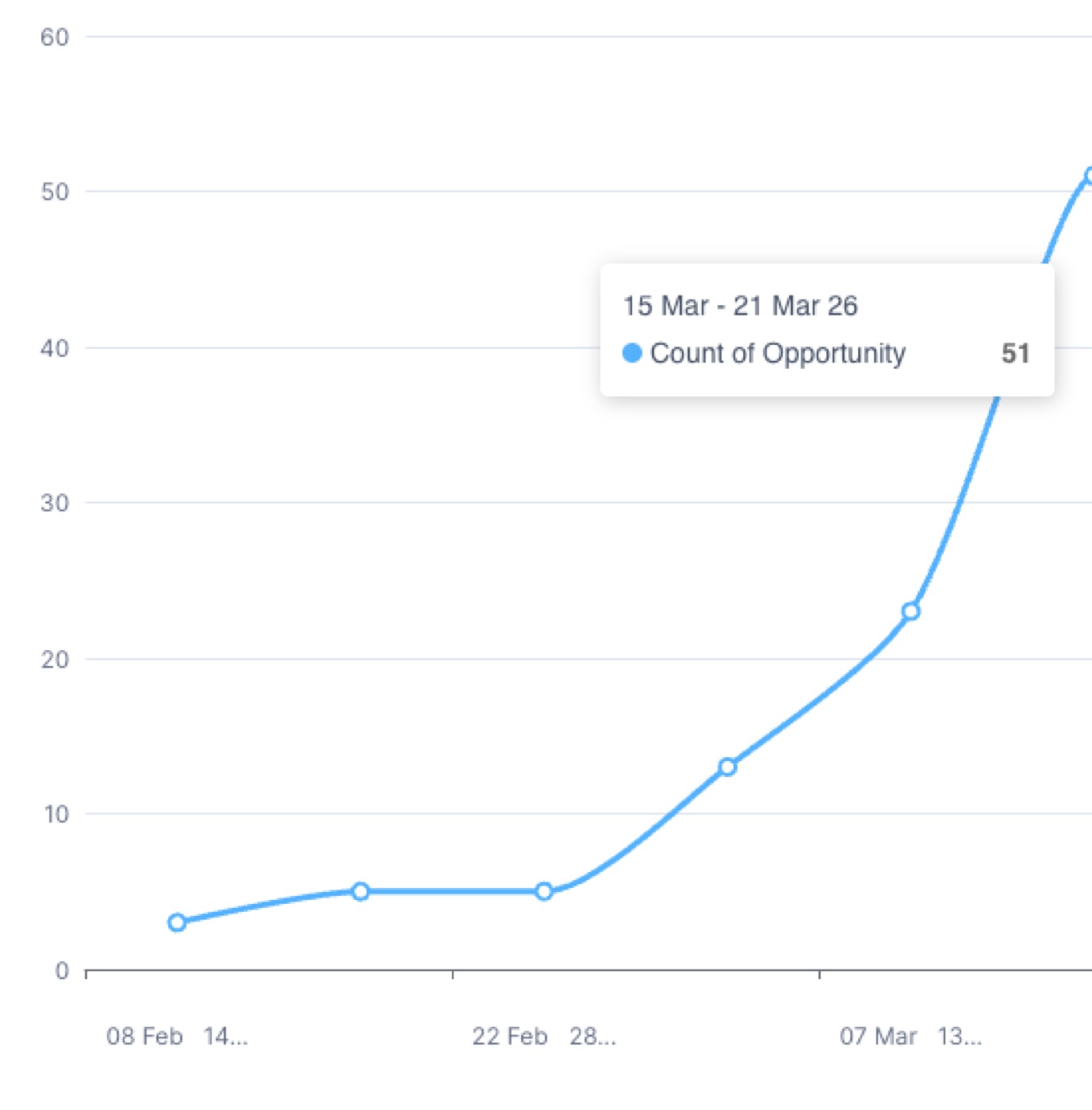
New estimates generated for one client after we fixed their targeting, rebuilt their landing page, and tightened their follow-up system. The ad spend did not change. The results did.
Home services contractor
Where to start
If your cost per lead feels too high, work through this in order. First, pull your search term report and build a negative keyword list. Second, check your location and time-of-day targeting. Third, look at your landing page conversion rate and compare it to your industry. Fourth, make sure you are tracking cost per booked job, not just raw leads. Fifth, start building owned channels so your blended cost per lead falls over time.
Most contractors find the biggest savings in the first two steps. Wasted clicks on the wrong keywords and the wrong audiences are pure spend with no return. Cut that first, then work down the list.
Head back to the blog for more plain-English guides on lead generation and paid ads for contractors.