
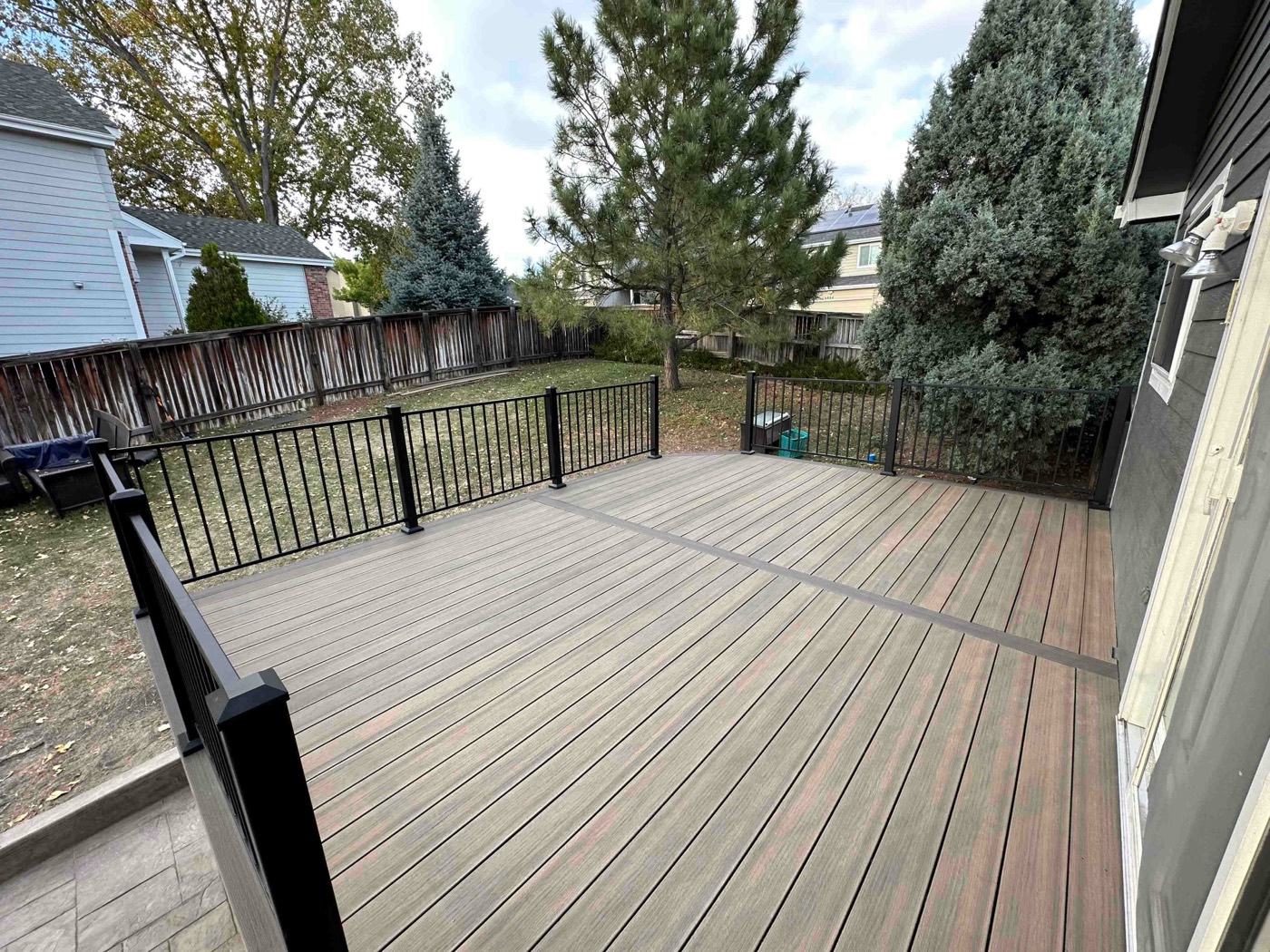
Most contractors finish a job, pull off the yard sign, and move on. They leave behind a neighborhood full of homeowners who just watched a crew work next door for a week. Those neighbors already know your name, already know someone trusts you, and are more likely to call you than any cold ad prospect you will ever pay for. Working that radius is one of the highest-return moves in contractor marketing. Here is how to do it right.
Why nearby homes convert like warm referrals
Homes in the same neighborhood were usually built around the same time. That means similar roofs, similar HVAC systems, similar windows, and similar wear patterns. When one homeowner on the street replaces their roof, the odds are good that their neighbors are looking at the same aging shingles. When a remodel goes up on the corner lot, the family three doors down has been thinking about the same project for a year.
Beyond the physical similarity, there is a social proof element that does not cost you anything. Neighbors talk. If your crew was professional, showed up on time, and left the yard clean every day, that reputation spreads through the block faster than any social post. You are not a cold caller to these homeowners. You are the crew that just did a great job for someone they see at the mailbox. That is the warmest possible introduction you can get outside of a personal referral.
Income and home value also cluster by neighborhood. A job in a high-value area is a strong predictor that the surrounding homes have owners who can afford and want similar work. You are not guessing about budget. The neighborhood itself pre-qualifies the audience.
The radius approach: 500 to 2,500 homes
The playbook is simple. For every active or recently completed job, identify the homes within a radius that makes sense for your trade. For roofers and exterior trades, a one to two block radius is often enough. For landscapers or remodelers doing high-visibility work, you might extend out further because more neighbors will have noticed the transformation.
The target number to reach is somewhere between 500 and 2,500 homes, depending on how dense the neighborhood is and how long the project runs. You want enough coverage to build name recognition, but tight enough that your name keeps showing up rather than getting lost in a scatter-shot blast.
The message should reference the job. "We just completed a [project type] for your neighbor at [street name]" is far more compelling than a generic mailer. You are not a stranger asking for business. You are the contractor who already proved themselves on their street. That one sentence of context changes the whole response rate.
$50K → $140K / mo
A residential contractor who combined neighborhood radius outreach with a consistent digital presence nearly tripled monthly revenue. Local density was a core part of the system, not an afterthought.
Residential remodeler
Yard signs, wrapped trucks, and mailers: use all three together
The biggest mistake contractors make with neighborhood marketing is using only one tactic. A yard sign alone is easy to ignore. A mailer alone lands in a stack of junk mail. But when a homeowner drives by your wrapped truck parked in front of a house, walks past your yard sign on the way to their mailbox, and then finds a "just completed nearby" postcard when they get home, your name becomes impossible to miss. That is frequency. And frequency is what makes people call.
Yard signs: Put them up the first day of every job, with permission from the homeowner. Make sure the sign is clean, the number is readable from a car, and it stays up through the last day of work. A sign left up for a week after the crew leaves is a bonus. Keep a supply in every truck so there is never a reason not to use one.
Wrapped trucks: A clean, professionally wrapped truck parked at a job site is a moving billboard that does not move. Every neighbor who drives or walks by sees it. Over the course of a week, that could be hundreds of impressions from people who live within a short walk of your future customer. The cost of a wrap pays for itself quickly when you think of it as permanent local advertising that follows your work.
Direct mail to the radius: Print services that pull addresses by radius from a specific address are widely available. A postcard mailed during or immediately after a job, with a time-limited offer ("call by [date] and we will include a free [inspection / estimate / added service]"), gives neighbors a reason to act now instead of "someday." The time limit matters. Without it, the postcard goes in a drawer and nothing happens.
The compounding snowball
Here is what makes neighborhood marketing different from most advertising. The effects compound. You do one job, work the radius, and book two more on the same street. Those two jobs produce two more yard signs and two more radius mailers, which book you two more jobs. Now you have multiple job sites in the same neighborhood, your trucks are visible all over the area, and the local word of mouth is running on its own.
This compounding is why roofing companies that dominate a neighborhood seem impossible to displace. They were not better than the competition everywhere. They were just consistent in a specific area long enough for their name to become the obvious default. Your goal is the same: density over time in a defined geography.
Pair your in-person neighborhood presence with social content that shows the work. A short video of the completed project, tagged to the neighborhood or city, reaches residents who follow local community pages and groups. If you have not built out that piece yet, see our social content service for how it works alongside neighborhood outreach.
Consistency beats one-off blasts
The contractors who get the least from neighborhood marketing are the ones who try it once, do not see an immediate flood of calls, and drop it. Neighborhood trust is built over multiple exposures and over time. A single mailer to a street gets a small response. Three mailers to that same street, tied to three different nearby jobs over six months, produces a very different result.
Build the radius outreach into the standard operating procedure for every job, not as an occasional campaign. When your crew pulls up to a site, the yard sign goes in the ground. When the job finishes, the mailer goes out. When the photos are done, the social post goes up. Every time. No exceptions. That consistency is what turns a tactic into a system, and a system is what grows a business.
For a look at how yard signs and truck wraps stack up against digital, read do truck wraps and yard signs still work.
$200K in new estimates
A contractor running a consistent local presence, including neighborhood outreach around active jobs, generated $200K in new estimates. Local density and follow-through were what made the difference.
Home services contractor
Head back to the blog for more plain-English guides written for construction owners. And if you want to hear us break this down with real examples, check out the Construction Cash Podcast.